-
Eco Savings EstimatorSavings Estimator
-
Find a DepotLocation
-
Enquiry BasketBasket
-
ExtranetAccount Image Accessability
Low Carbon, Low Noise: GAP’s Battery-Electric Excavator Trial with Morrison Construction
-
Background
Morrison Construction delivers building and infrastructure projects across Scotland, working on sites where environmental sensitivity is often as important a consideration as programme and cost. Its work at Glenlatterach fits this requirement: a site adjacent to Glenlatterach Reservoir, a protected water source, where every piece of equipment is scrutinised for its impact on the surrounding environment.
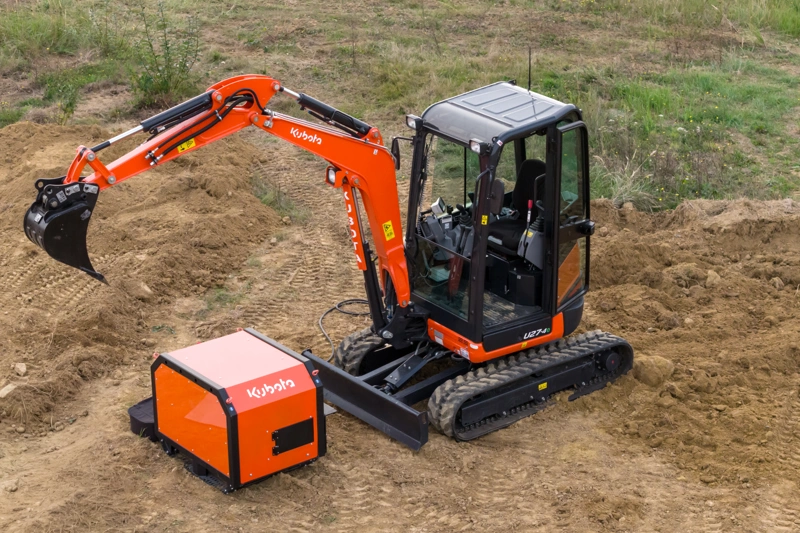
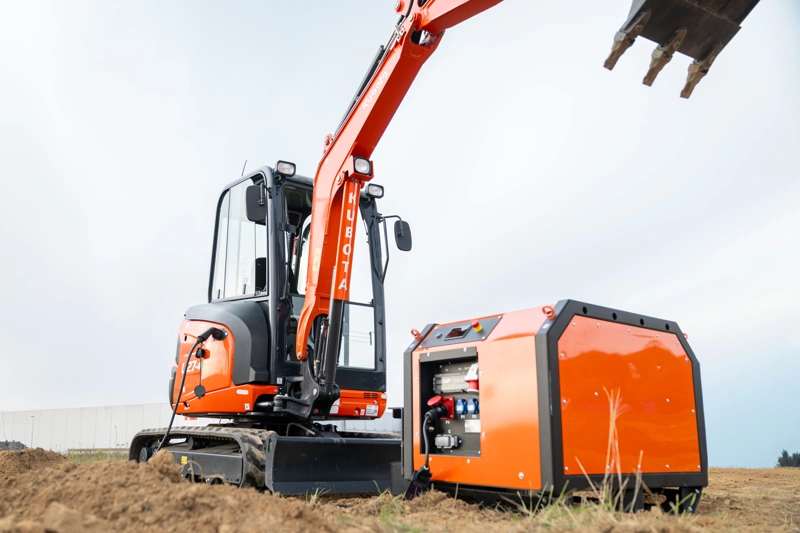
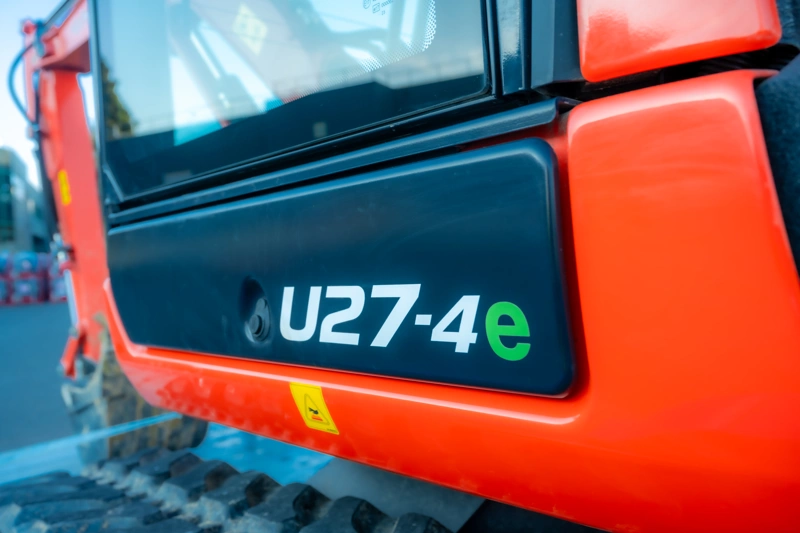
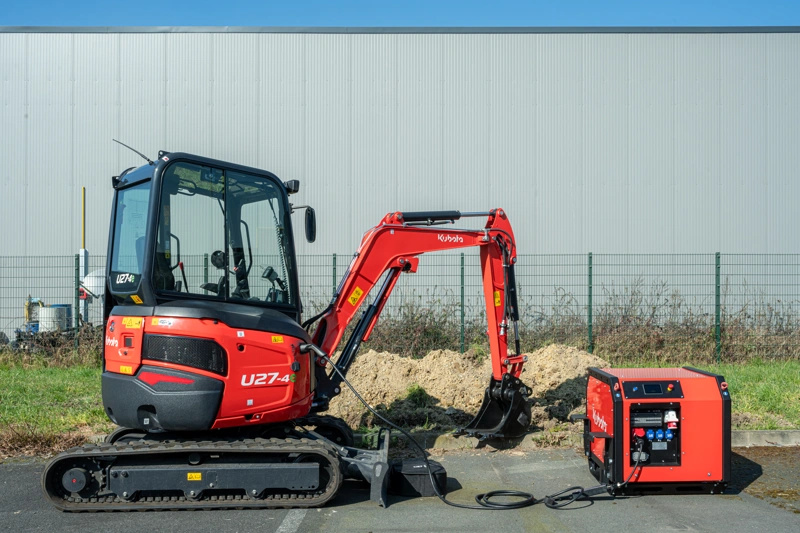
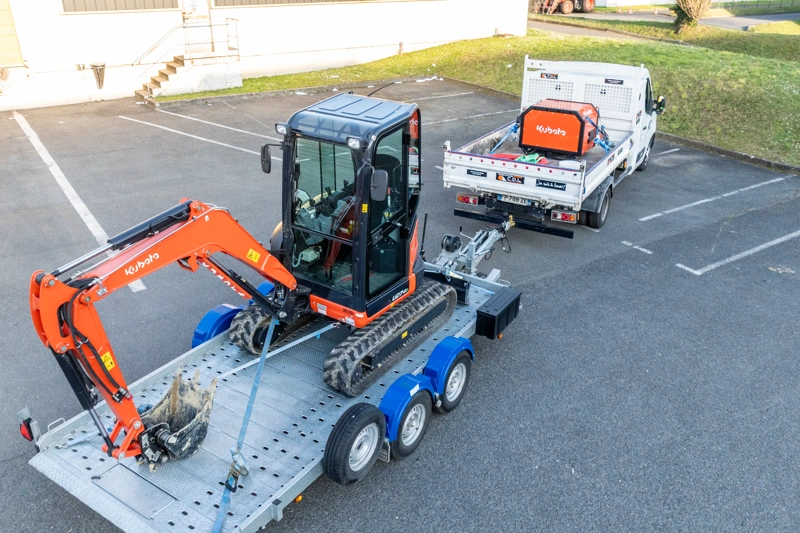
As part of its commitment to reducing the carbon footprint of its operations, Morrison Construction trialled GAP’s 3-tonne battery excavator Kubota U27-4e, on site, working with GAP’s Plant & Tool Hire division to assess whether battery power could match diesel where it matters most.
-
The Challenge
The projects scope involved working in close proximity to the reservoir, meaning conventional diesel excavators were restricted from certain areas of the site altogether. Morrison Construction needed plant that could operate with zero tailpipe emissions and significantly reduced noise, without compromising on the excavating and lifting performance the project demanded.
The brief was clear: prove that a battery excavator could deliver the same results as a diesel machine, without compromise on safety or performance.
-
The Solution
GAP supplied a 3-tonne battery excavator for an extended trial period, deployed specifically in the zones where diesel plant was restricted. The trial was designed to test the machine under real working conditions.
-
Key Findings
Performance: The excavator handled excavating and lifting tasks effectively, with operators reporting smooth hydraulic response and good control throughout. Power did reduce when working in harder ground conditions compared with a conventional diesel excavator, a difference Morrison Construction puts down partly to the learning curve of a new machine type, and partly to performance limitations worth planning around.
Battery Life and Charging: An early start-up issue required a fitter call-out, underlining a key lesson from the trial: charging infrastructure and machine storage need to be planned from day one, with the excavator kept within easy reach of a charge point. Once this was factored into site logistics, the machine integrated well into the working day.
Environmental Benefits: Zero tailpipe emissions and a substantial reduction in noise created a safer, cleaner working environment, particularly valuable next to a protected water source. It allowed Morrison Construction to work in areas a diesel excavator simply would not have been permitted to enter.
Operator and Stakeholder Feedback: Operators welcomed the reduced vibration and quieter cab environment, and the trial was well received by the onsite ecological clerk of works, whose sign-off is central to work continuing near the reservoir.
Cost Considerations: While the trial itself was provided free of charge, Morrison Construction notes that the upfront hire cost of the battery plant currently sits above diesel equivalents. Set against that are fuel savings, reduced idling costs and the potential for carbon-reduction credits, all of which point towards stronger long-term value as adoption grows.

-
Conclusion
The trial at Glenlatterach showed that GAP’s 3-tonne battery excavator is technically capable, environmentally advantageous and well received by both operators and site stakeholders. With appropriate charging planning built in from the start, it represents a viable and increasingly attractive alternative to diesel plant, particularly on sites where low-carbon, low-noise operation isn’t just preferred, but required.
For more information about GAP’s Plant & Tool Hire division and its range of battery-powered plant, contact us here.